About us
Who we are
The Paris Cardiovascular Research Center (PARCC, UMR-S 970) is an interdisciplinary Université Paris Cité and Inserm research center located at the Hôpital Européen Georges Pompidou, bringing together basic scientists and clinician scientists who share a common vision. Our mission: understand and treat cardiovascular and renal diseases by linking their genetic and cellular mechanisms, the dialogue between organs, and observations from populations and patients.
On a single site, our teams combine molecular and cellular biology, integrative physiology, imaging, immunology, genetics and epidemiology to understand disease processes and develop new diagnostic and therapeutic strategies for vascular and cardiac diseases, hypertension, kidney diseases and transplantation.
Our history
Creation of PARCC
Inserm and Université Paris Descartes create the Paris Cardiovascular Research Center at the Hôpital Européen Georges Pompidou, with six teams and one Avenir team on a single 4,200 m² site. Under the direction of Alain Tedgui, this first term (2009–2013) lays the foundations of the center.
A growing center
Four new teams join PARCC, broadening its expertise in vascular biology, immunology and cardiology.
13 research teams
The center is organised into 13 teams. New groups are created or join us, including Anne Eichmann’s team from the Collège de France, an Avenir team in organ transplantation (Alexandre Loupy) and Jean-Sébastien Hulot’s team. Term renewed following a successful HCERES / Inserm evaluation.
12 research teams and a new director
PARCC brings together 12 research teams dedicated to cardiovascular diseases, led by Chantal Boulanger, Bertrand Tavitian, Nabila Bouatia-Naji, Xavier Jouven, Hafid Ait-Oufella, Jean-Sébastien Silvestre, Jean-Sébastien Hulot, Pierre-Louis Tharaux, Anne Eichmann, Éric Tartour, Judith Favier and Maria-Christina Zennaro. Chantal Boulanger succeeds Alain Tedgui as director. Term renewed following a successful HCERES / Inserm evaluation.
Early career researchers
PARCC supports the creation of its early career researchers association, today known as the PARCCERs.
Structuring the Paris cardiovascular community
PARCC is a driving force in the creation of the Institute of Cardiovascular Sciences and the Graduate School Cardiovascular Sciences of Université Paris Cité.
Transplantation, innovation and a new director
Launch of the Paris Institute for Transplantation & Organ Regeneration (PITOR), and arrival on site of Polygon Therapeutics, a start-up born from PARCC research. In October 2023, Jean-Sébastien Silvestre becomes director of PARCC, succeeding Chantal Boulanger.
A new team in multi-organ dysfunction
Clément Cochain joins PARCC with an Inserm Junior Professor Chair (CPJ) and creates the team “Multi-organ dysfunction and cardiovascular pathology in metabolic diseases”.
13 research teams for a new term
For the 2025–2030 term, PARCC is organised into 13 research teams, with the creation of Ivana Zlatanova’s ATIP-Avenir team on heart regeneration and David Smadja’s team on endotheliopathy and hemostasis. Jean-Sébastien Silvestre continues as director of PARCC. Term renewed following a successful HCERES / Inserm evaluation.
Paris Institute for Global Health
Creation of the Paris Institute for Global Health of Université Paris Cité, in which PARCC teams are closely involved.
Vision 2030 and new partnerships
PARCC defines a shared scientific identity around one continuum, heart · vessels · kidney, and three research axes, and signs a collaboration agreement with the OrganX Foundation.
Vision 2030: three research axes
Our research axes define a common scientific identity and guide our collaborations, investments and recruitments. Teams contribute to several axes, and joint programmes are co-led by at least two teams.
Genetic and molecular mechanisms
Which genetic determinants and cellular mechanisms produce disease, and where can we intervene?
From gene and cell to phenotype and intervention.
Immunometabolism and inter-organ dialogue
How do immune and metabolic interactions link organ damage and organ protection?
Immunometabolic circuits between organs.
From human cohorts to mechanisms and precision medicine
What do disease trajectories, risk and response to treatment reveal, and how can we explain them and intervene better?
From human signal to knowledge and decision.
Shared capabilities
Imaging, spatial and omics technologies, human and experimental models, biobanks and data science, supported by our technology platforms.
Directors of PARCC
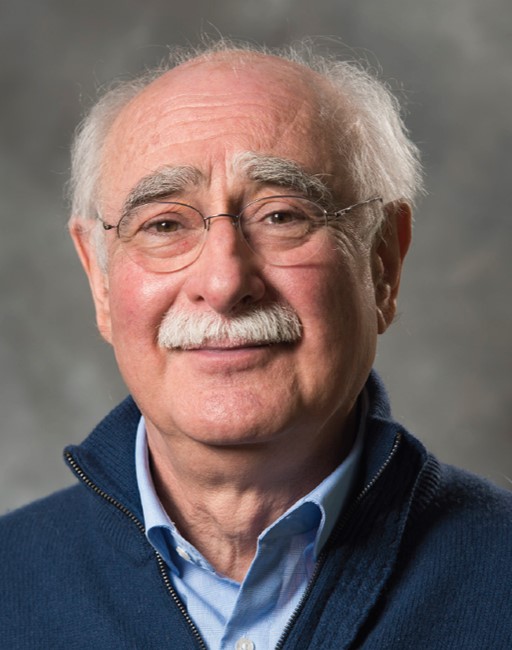 2009 – 2018
Alain Tedgui
Founding director
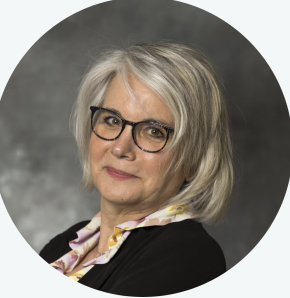
Chantal Boulanger
Former director
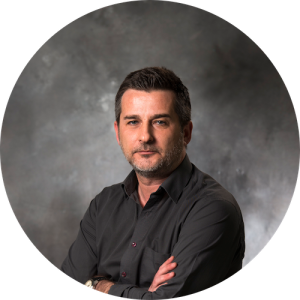
Jean-Sébastien Silvestre
Current director
Our environment
Inserm & Université Paris Cité
PARCC is a joint research unit (UMR-S 970) of Inserm and Université Paris Cité, within its Faculty of Health.
Hôpital Européen Georges Pompidou
Located within the hospital (AP-HP), in close connection with its clinical departments and Clinical Investigation Center.
Institutes & Graduate School
PARCC teams are deeply involved in the Institute of Cardiovascular Sciences, PITOR, the Paris Institute for Global Health and the Graduate School Cardiovascular Sciences.

OrganX Foundation
A nonprofit health organization established to exponentially accelerate advances in organ technologies and patients’ access to organ health.