Research Highlights

A selection of recent studies led or co-authored by PARCC teams, from fundamental biology to clinical research. Click a figure or title to read the full article.

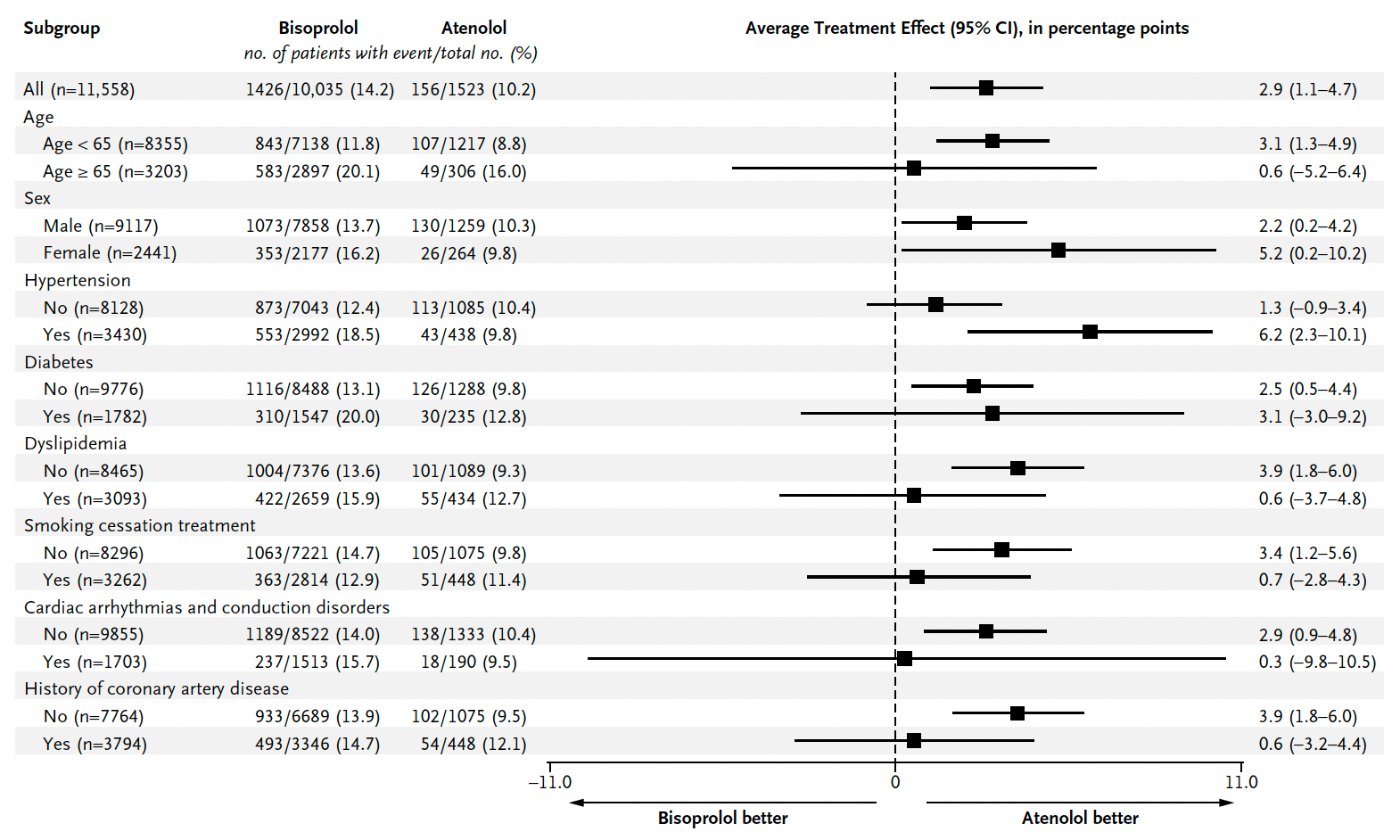
Subgroup analysis: effect of atenolol versus bisoprolol on major adverse cardiovascular events
NEJM Evidence

Atenolol or Bisoprolol after Myocardial Infarction without Recorded Heart Failure

Laurenceau T, Meli U, … Empana JP, Bacry E, Jouven X

Using French national health data on 11,558 patients treated in the Paris area after a myocardial infarction and with no sign of heart failure, the team compared the two most prescribed beta-blockers. Starting atenolol was associated with fewer major cardiovascular events at two years than bisoprolol, without a significant difference in overall mortality.

Subgroup analysis from Laurenceau et al., NEJM Evidence 2026 — © Massachusetts Medical Society.

Read the article →
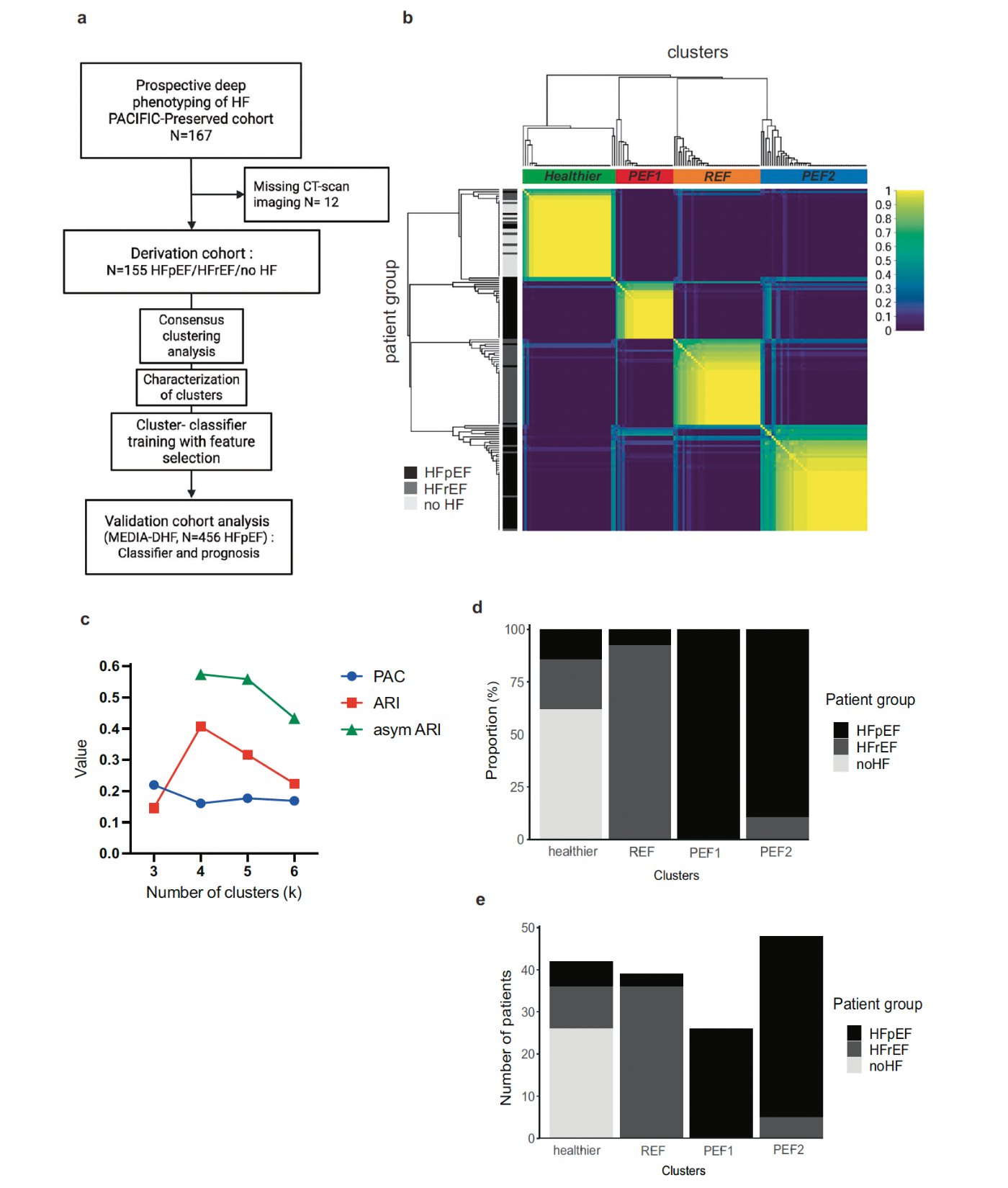
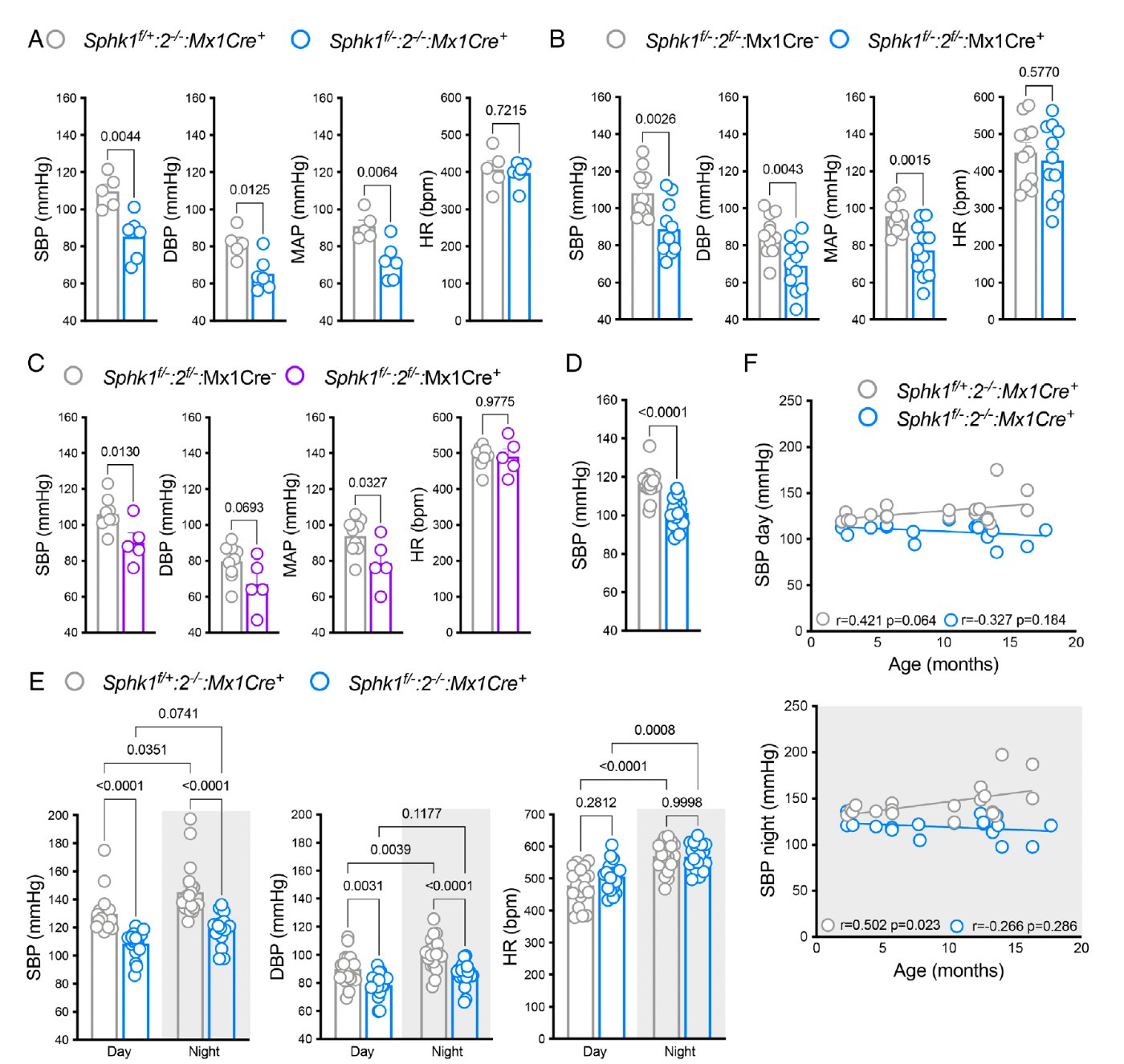
Figure 1: study design and consensus clustering of heart failure patients
Nature Communications

Multimodal data-driven clustering identifies two distinct patterns of heart failure with preserved ejection fraction

Hulot JS, Hervé PY, Girerd N, … Logeart D, on behalf of the PACIFIC consortium

In the PACIFIC-Preserved cohort, combining clinical data, cardiac imaging and high-throughput plasma proteomics with machine learning split patients with HFpEF into two biologically distinct groups. The inflammatory group, marked by cardio-skeletal injury and renal dysfunction, carried a higher risk of adverse outcomes in an external validation cohort.

Fig. 1 from Hulot et al., Nat Commun 2026 — CC BY-NC-ND 4.0.

Read the article →
Figure 1: mice lacking circulating S1P have lower blood pressure
PNAS

Blood-borne sphingosine 1-phosphate maintains vascular resistance, blood pressure, and cardiac function in mice

Del Gaudio I, Bonnin P, Vessières E, … Henrion D, Camerer E

Sphingosine 1-phosphate (S1P), a lipid released by red blood cells, circulates bound to HDL or albumin. Mice lacking all circulating S1P had low blood pressure and weaker heart contraction, both corrected by transfusing S1P-producing red cells. Albumin-bound S1P increased vascular resistance through the S1PR3 and S1PR2 receptors.

Fig. 1 from Del Gaudio et al., PNAS 2026 — CC BY-NC-ND 4.0.

Read the article →
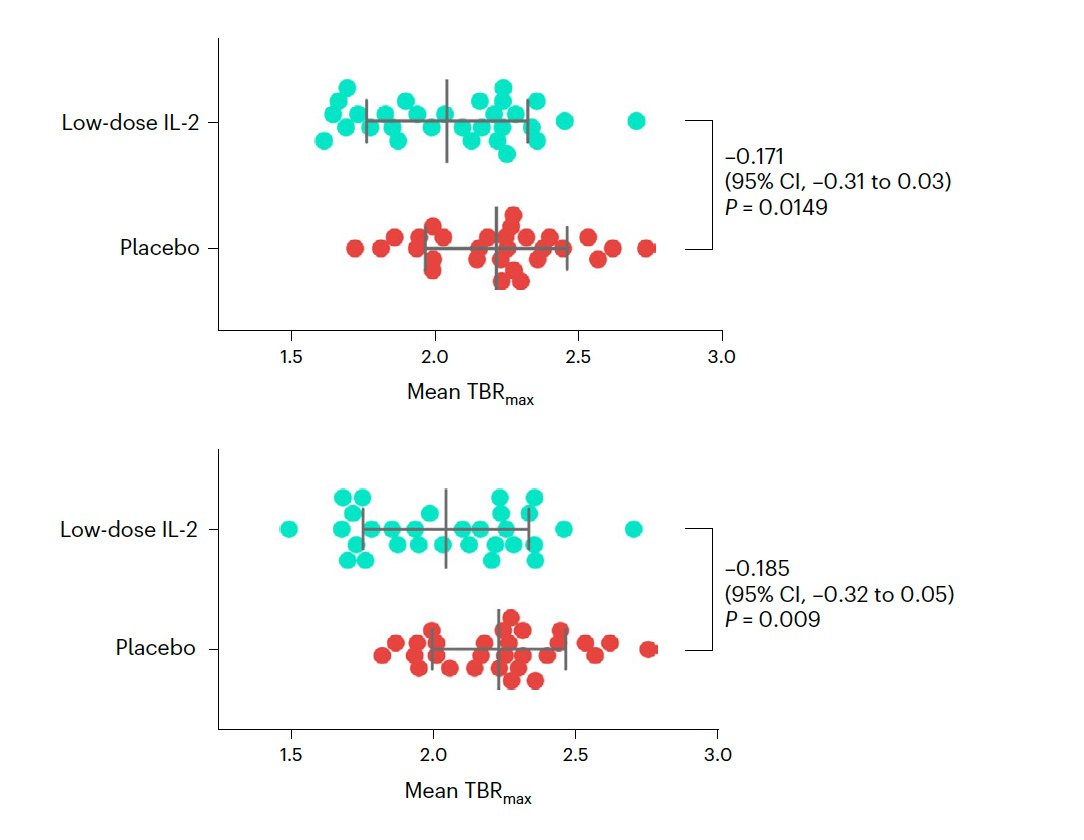
Figure 2a–b: arterial inflammation (mean TBRmax) with low-dose IL-2 versus placebo
Nature Medicine

Anti-inflammatory therapy with low-dose IL-2 in acute coronary syndromes: a randomized phase 2 trial

Sriranjan-Rothwell RS, Zhao TX, … Tedgui A, … Cheriyan J, Mallat Z, IVORY investigators

In the IVORY trial, 60 patients with an acute coronary syndrome and elevated CRP received low-dose interleukin-2 or placebo for eight weeks. Low-dose IL-2 expanded regulatory T cells and reduced arterial inflammation measured by FDG-PET/CT by 7.7% compared with placebo, with a good safety profile.

Fig. 2a–b from Sriranjan-Rothwell et al., Nat Med 2026 — CC BY 4.0.

Read the article →
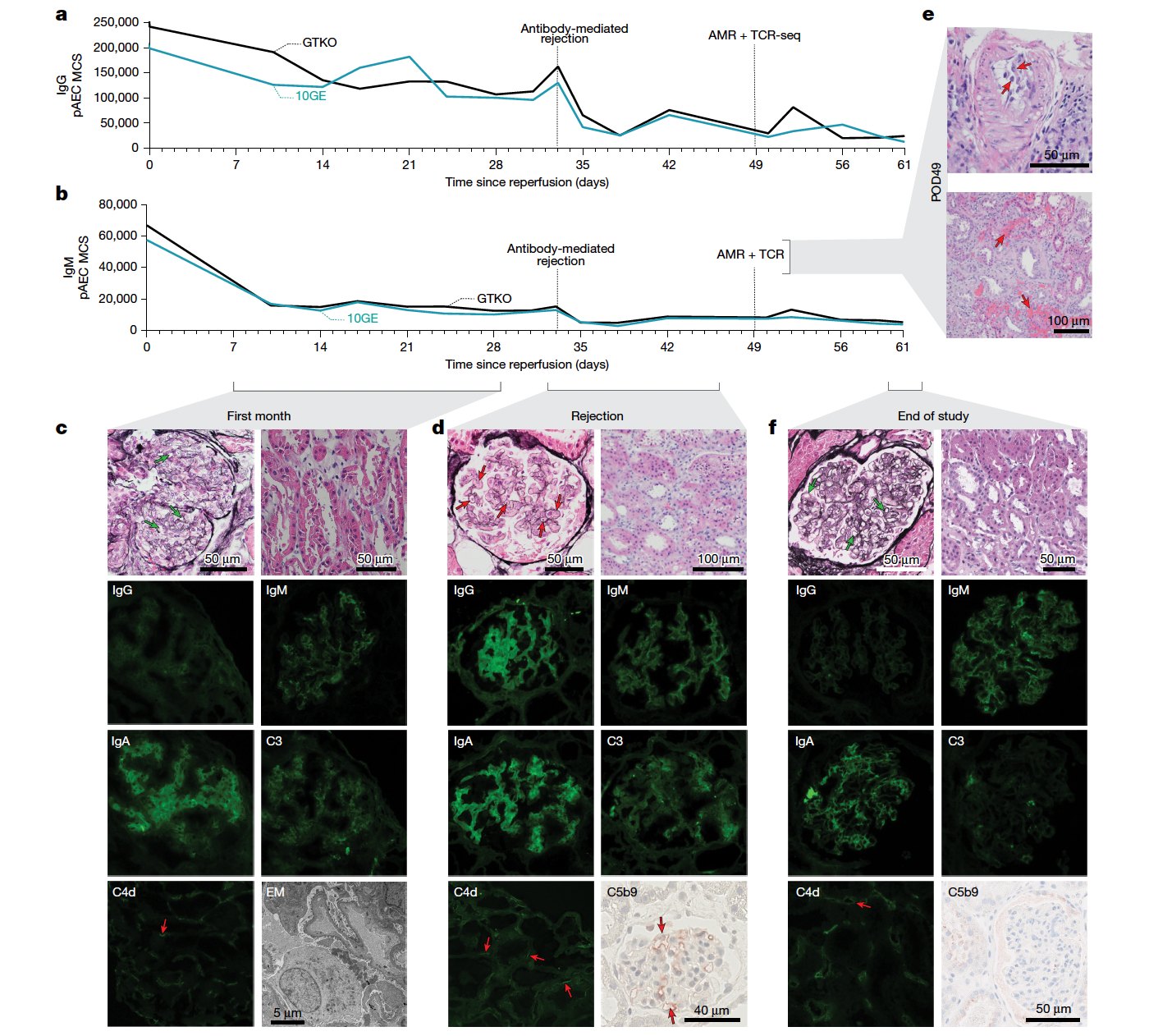
Donor-specific antibodies and kidney xenograft biopsies over the 61-day study
Nature

Physiology and immunology of a pig-to-human decedent kidney xenotransplant

Montgomery RA, Stern JM, … Loupy A, Griesemer A, Sykes M

A kidney from a minimally gene-edited pig was transplanted into a brain-dead recipient and followed for 61 days, with PARCC transplantation pathologists among the authors. The graft maintained kidney function without dialysis; an antibody-mediated rejection on day 33 was fully reversed, while pre-existing xenoreactive T cells expanded — a key hurdle for clinical xenotransplantation.

Figure from Montgomery et al., Nature 2025 — © Springer Nature.

Read the article →
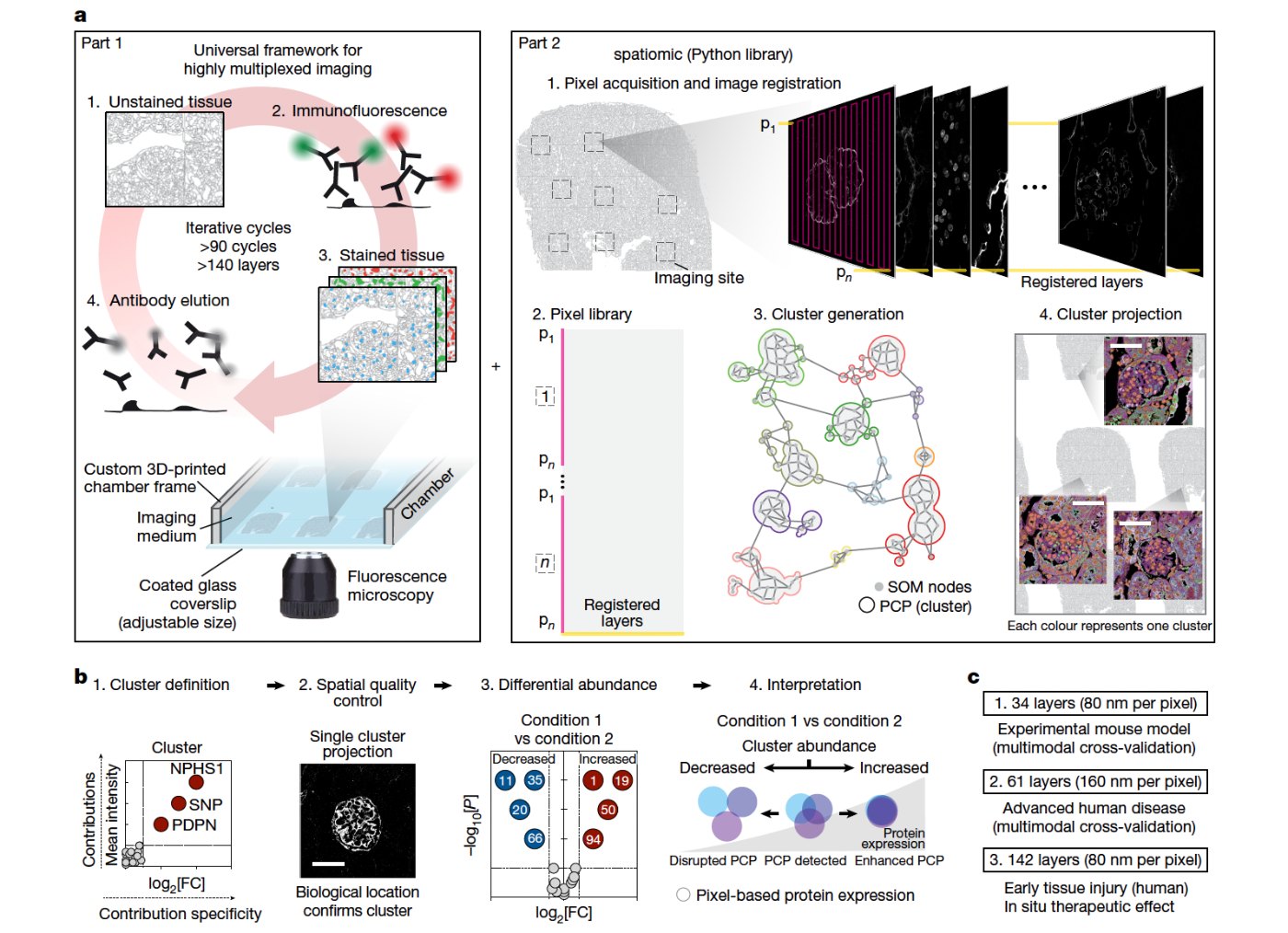
Figure 1: the PathoPlex framework for highly multiplexed imaging and image analysis
Nature

Pathology-oriented multiplexing enables integrative disease mapping

Kuehl M, Okabayashi Y, … Tharaux PL, … Lenoir O, … Puelles VG

PathoPlex combines highly multiplexed imaging — more than 140 antibodies over 95 cycles at 80-nm resolution — with open-source software that detects protein co-expression patterns in tissue. In kidney biopsies, it revealed epithelial JUN activity in immune-mediated disease and calcium-related tubular stress in diabetic kidney disease.

Fig. 1 from Kuehl et al., Nature 2025 — CC BY 4.0.

Read the article →
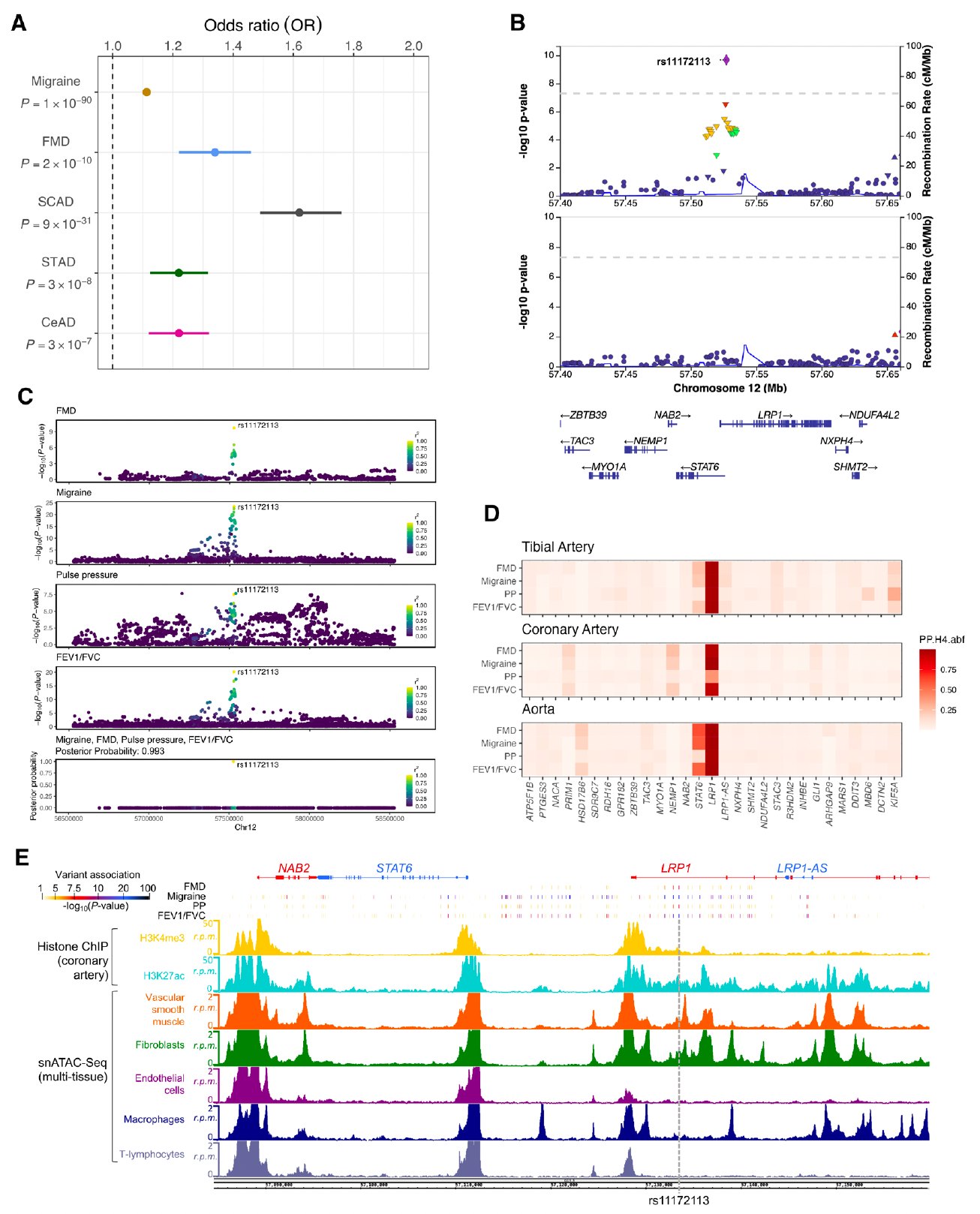
Figure 1: genetic associations and functional annotations at the LRP1 locus
Circulation Research

LRP1 Repression by SNAIL Results in ECM Remodeling in Genetic Risk for Vascular Diseases

Liu L, Henry J, Liu Y, Jouve C, Hulot JS, Georges A, Bouatia-Naji N

Common variants at the LRP1 locus raise the risk of several arterial diseases, including fibromuscular dysplasia, spontaneous coronary artery dissection and migraine. In genome-edited stem-cell-derived smooth muscle cells, the team identified the causal enhancer variant, its allele-specific repression by SNAIL, and extracellular-matrix remodelling driven by TGF-β when LRP1 is lost.

Fig. 1 from Liu et al., Circ Res 2024 — CC BY.

Read the article →
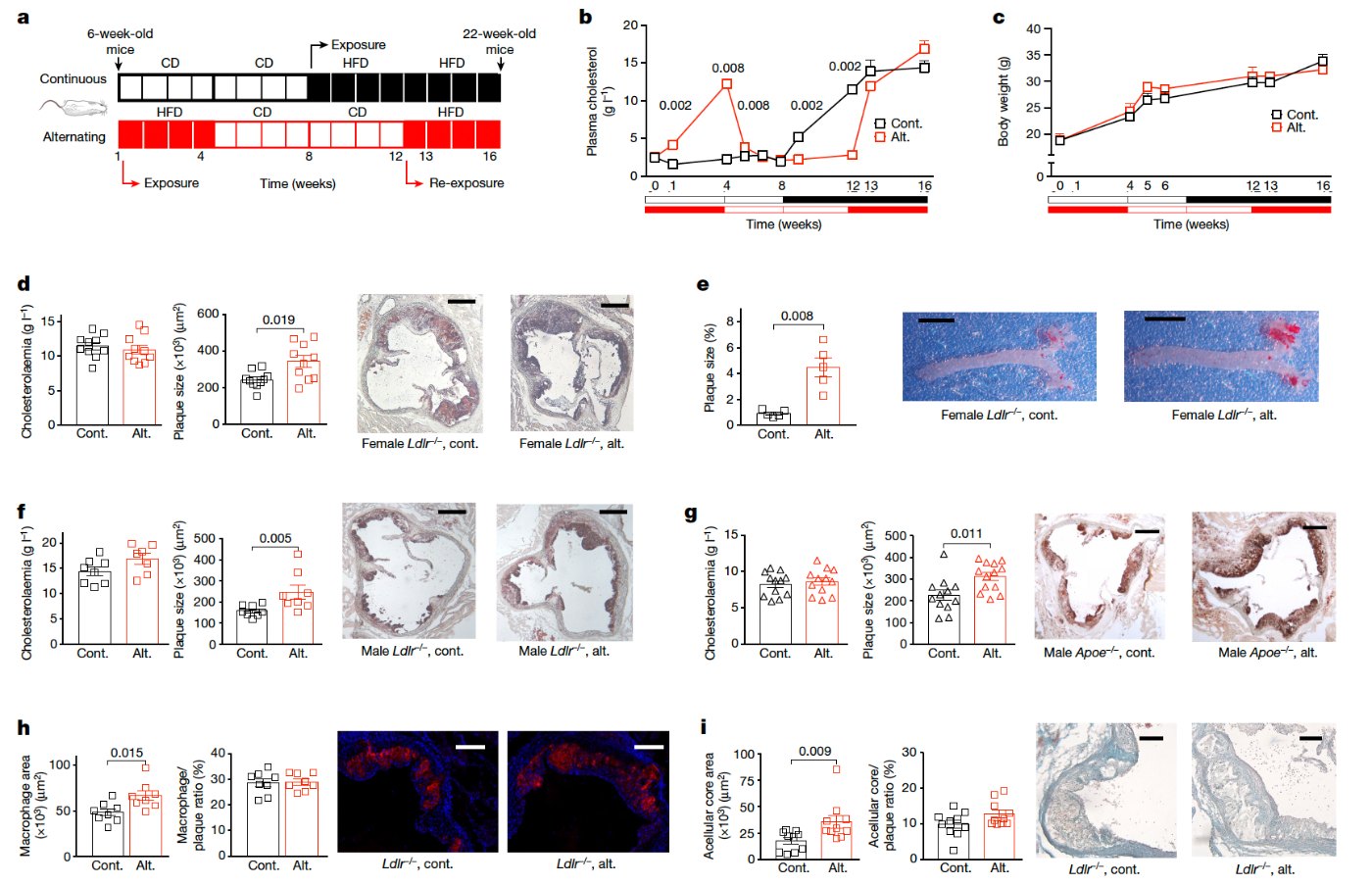
Figure 1: alternating versus continuous high-fat diet and atherosclerotic plaque size in mice
Nature

Alternating high-fat diet enhances atherosclerosis by neutrophil reprogramming

Lavillegrand JR, Al-Rifai R, … Taleb S, … Ait-Oufella H

In atherosclerosis-prone mice, alternating a high-fat diet with normal food worsened atherosclerosis more than continuous high-fat feeding. Diet interruption reprogrammed bone-marrow progenitors that, once re-exposed, produced IL-1β, triggering emergency neutrophil production and NET release in plaques; blocking IL-1β or neutrophils abolished the effect.

Fig. 1 from Lavillegrand et al., Nature 2024 — © Springer Nature.

Read the article →